

Google is officially retiring the long-running Google Fit platform and replacing it with a new unified experience called Google Health. The change marks the end of one of Android’s most recognizable fitness apps, with users now being encouraged to migrate their health and workout data to the redesigned Fitbit-based platform.
The transition is part of Google’s broader effort to combine Fitbit, Google Fit, Health Connect, and wearable tracking into a single ecosystem. While the Google Fit app will continue working for a limited time, support and APIs are being phased out ahead of a complete shutdown later in 2026.
Why Google Is Replacing Google Fit
Google launched Google Fit back in 2014 as a fitness and health tracking platform for Android and Wear OS devices. Over the years, the app gained support for step tracking, heart rate monitoring, workouts, sleep data, and integration with third-party fitness apps.
After acquiring Fitbit, Google slowly shifted its focus toward Fitbit services and newer health tools. The company later introduced Health Connect, which allowed fitness apps to securely share health data across Android devices. Now, Google is merging everything into a single platform called Google Health.
According to Google, the new app will offer:
- Improved fitness and sleep tracking
- Better support for wearables
- Enhanced health dashboards
- AI-powered health coaching features
- Integration with apps like Peloton and MyFitnessPal
- Support for Apple Health and Health Connect
The updated experience is designed to become the main destination for health and fitness data across Android devices.
What Happens to Existing Google Fit Data?
Google confirmed that existing Google Fit users will be able to migrate their historical fitness data into Google Health later this year using an official migration tool.
That means activities such as:
- Daily steps
- Calories burned
- Heart rate records
- Workout history
- Sleep tracking
- Distance traveled
should remain available after the migration process is completed.
This is important for longtime Android users who have accumulated years of fitness history inside Google Fit. Instead of losing that information, Google plans to move it directly into the new platform.
How to Migrate From Google Fit to Google Health
Google has not fully released the migration tool yet, but the company already confirmed the process will begin later in 2026.
Once available, the migration process is expected to work like this:
- Install or update the Fitbit app, which is becoming Google Health
- Sign in with the same Google account used for Google Fit
- Accept the migration invitation
- Allow Google Health access to existing fitness data
- Wait for workouts and health records to transfer
After the process is complete, users should be able to manage all health information directly from the new Google Health app.
What Is Google Health?
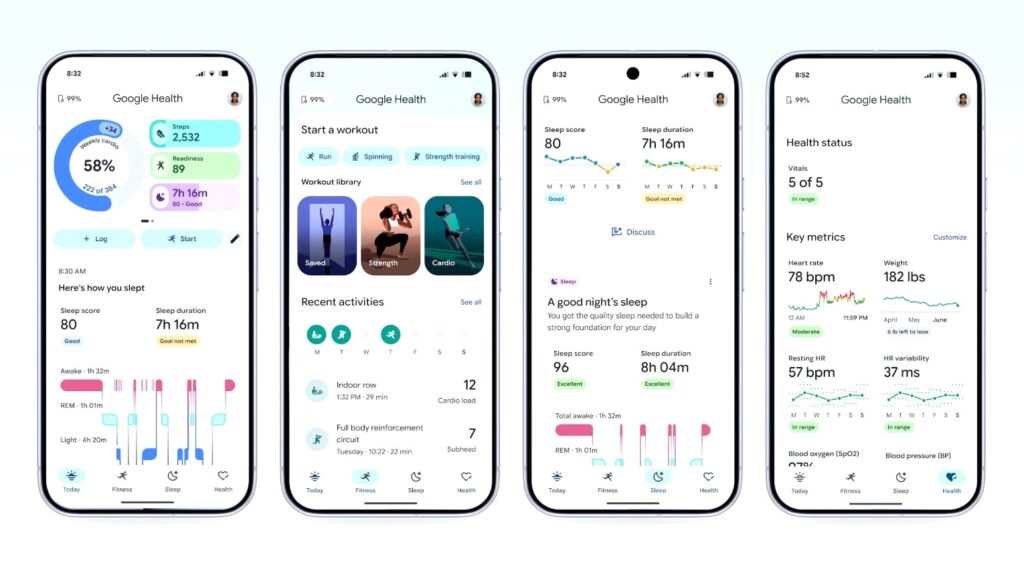
Google Health is essentially the next generation of the Fitbit app with deeper Google integration. The platform introduces a redesigned interface with separate sections for:
- Fitness
- Sleep
- Health metrics
- Daily activity summaries
Google also added AI-powered coaching features, improved medical tracking tools, and expanded third-party compatibility.
The app is expected to become the main hub for Android fitness tracking moving forward.
Best Alternatives to Google Fit
Users who do not want to switch to Google Health still have several alternatives available.
Popular options include:
- Samsung Health
- Strava
- MyFitnessPal
- Apple Health
- Garmin Connect
- Fitbit
- Health Connect-supported apps
Many of these services already support syncing workout data across multiple devices and fitness platforms.