
Smart home technology has advanced rapidly over the past few years, and Home Assistant has become one of the most popular platforms for users who want complete control over their connected devices. Unlike many commercial smart home ecosystems, Home Assistant allows you to manage products from different brands through a single interface while keeping much of your data on your own hardware.
Its flexibility has earned it a loyal community, but it’s important to understand that Home Assistant isn’t the perfect solution for everyone. While it offers impressive capabilities, it also comes with challenges that new users often underestimate.
If you’re thinking about building a smart home around Home Assistant, here are some realities worth considering before getting started.
It Requires Time to Learn
One of Home Assistant’s biggest strengths is also one of its biggest challenges.
The platform offers extensive customization options, allowing users to create advanced automations, dashboards, notifications, and integrations. However, learning how everything works takes time.
Even simple tasks such as adding devices, creating automations, or troubleshooting integrations may require reading documentation or experimenting with settings. Beginners who expect a plug-and-play experience may find the initial setup more demanding than commercial alternatives.
The good news is that the active Home Assistant community provides thousands of tutorials, guides, and forums that can help solve most problems.
Not Every Device Works the Same
Home Assistant supports thousands of smart home products, but compatibility isn’t always identical across every manufacturer.
Some devices expose every feature, while others only provide basic controls. Firmware updates from manufacturers can also change how certain integrations behave, requiring users to update or reconfigure their setup.
Before purchasing new smart home hardware, it’s worth checking whether the device is officially supported and whether all of its advertised features work correctly with Home Assistant.
Doing a little research beforehand can save both time and frustration.
Maintenance Is Part of the Experience
Unlike many cloud-based smart home services that update automatically behind the scenes, Home Assistant is software that you manage yourself.
Regular updates often introduce new features, security improvements, and bug fixes. Although updating is generally straightforward, major releases occasionally require configuration adjustments or compatibility checks with custom integrations.
Many experienced users recommend:
- Creating backups before every update.
- Reading release notes.
- Testing important automations afterward.
- Updating add-ons individually when necessary.
Following these habits helps keep your smart home reliable over the long term.
Automation Can Become Complex
Creating a simple automation—such as turning on lights when motion is detected—is usually easy.
As your smart home grows, however, automations often become much more sophisticated.
You may want lights to behave differently depending on the time of day, weather conditions, occupancy, security status, or energy usage. Combining all these conditions can result in automation rules that require careful planning and occasional troubleshooting.
Fortunately, Home Assistant includes visual editors that make creating many automations much easier than in earlier versions.
Hardware Still Matters
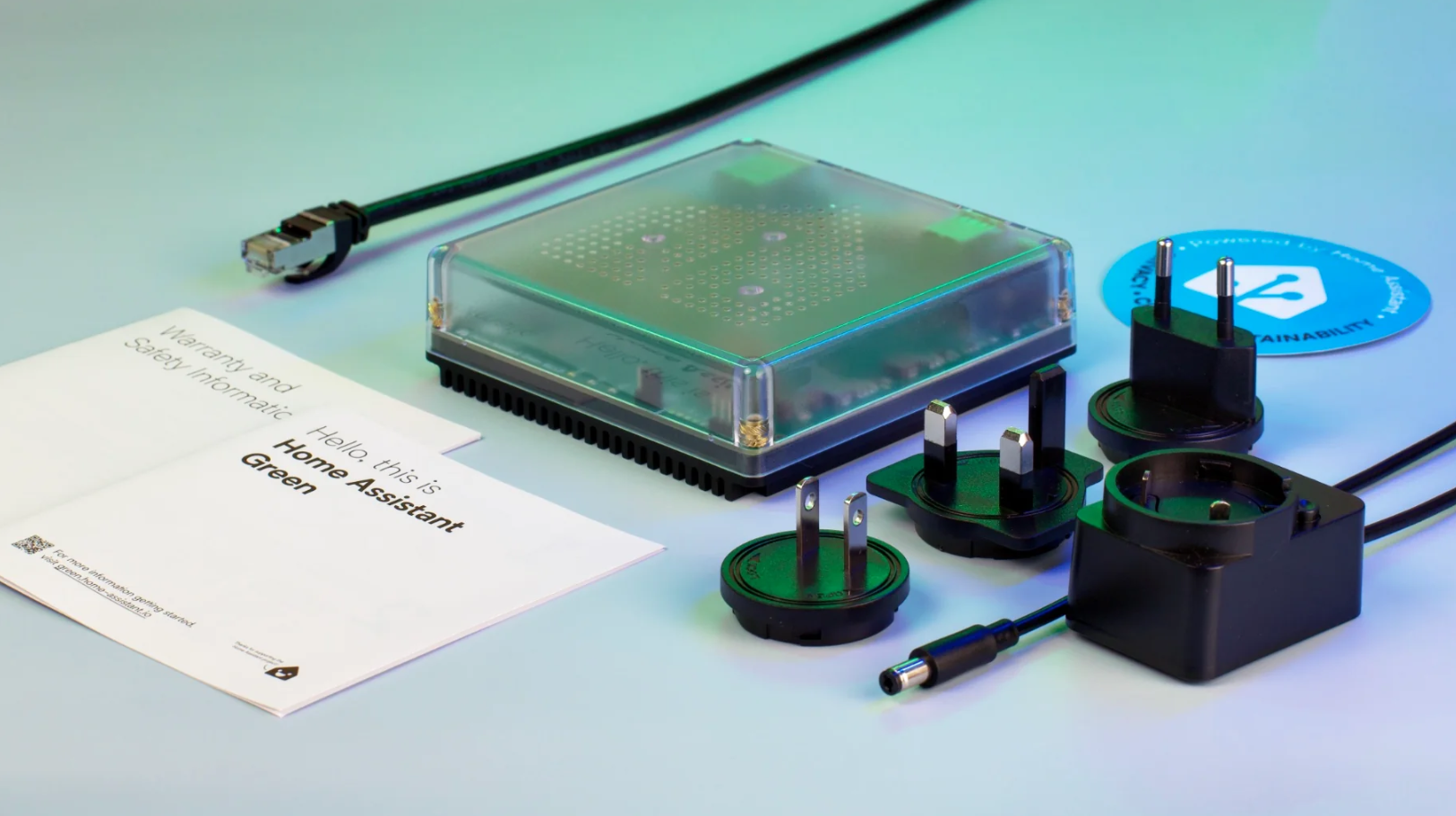
Home Assistant can run on several different types of hardware, including Raspberry Pi devices, mini PCs, virtual machines, and dedicated servers.
While small systems work well for many homes, larger installations with dozens or hundreds of connected devices may benefit from faster processors, additional memory, and reliable storage.
Using quality hardware and stable network equipment contributes significantly to overall system performance.
Local Control Is a Major Advantage
Despite its challenges, Home Assistant offers one benefit that attracts many enthusiasts: local control.
Many automations continue working even when the internet connection is unavailable because processing occurs inside your home rather than entirely in the cloud.
This approach can improve reliability, reduce dependence on external services, and provide greater control over personal data.
For users who value privacy and independence, this is one of Home Assistant’s strongest selling points.
Community Support Makes a Difference
Home Assistant has one of the largest and most active smart home communities available.
Thousands of users contribute integrations, write documentation, answer questions, and develop new features. This collaborative environment makes it easier to solve problems and discover creative automation ideas.
Whether you’re building your first smart lighting system or managing a complex home automation setup, chances are someone has already shared a similar project online.
Is Home Assistant the Right Choice?
The answer depends on your expectations.
If you want a platform that offers extensive customization, local control, and support for devices from many different manufacturers, Home Assistant is an excellent option.
If, however, your priority is a system that requires almost no maintenance or technical knowledge, a commercial smart home ecosystem may provide a simpler experience.
Neither approach is universally better—the right choice depends on your technical comfort level and the amount of time you’re willing to invest.