
Nearly five years after its release, Windows 11 is only now reaching broader adoption. One major reason behind this growth is Microsoft’s decision to end support for Windows 10 on October 14, which pushed many users to upgrade despite ongoing criticism of the newer system.
Although market share continues to rise, user feedback around hardware requirements, design choices, and performance issues remains mixed. This situation has naturally fueled speculation about the next generation of Windows, commonly referred to as Windows 12.
Microsoft’s Current Focus Appears to Be Windows 11 Improvements
Microsoft has not officially confirmed the development timeline for Windows 12. While some reports suggest a release could happen in the near future with a modular and AI-driven architecture, those claims appear uncertain.
Instead, the company’s immediate roadmap seems focused on improving the overall experience of Windows 11. Efforts reportedly include addressing long-standing user complaints, refining the interface, and reassessing its artificial intelligence strategy across the Windows ecosystem.
Part of this reevaluation may involve simplifying AI integration and potentially removing the Microsoft Copilot feature from certain applications such as Microsoft Notepad and Microsoft Paint to streamline the user experience.
Even with these improvements underway, the possibility of Windows 12 remains open for the future, potentially arriving sometime after Microsoft completes its current Windows 11 refinement cycle.
AI Growth Claims vs. Real-World Usage
According to Microsoft CEO Satya Nadella, adoption of Copilot has grown significantly, reportedly increasing nearly three times year-over-year. However, some reports indicate that only a small portion of Microsoft 365 and Office 365 users currently pay for Copilot features.
This gap highlights ongoing uncertainty about how central AI tools should be within the Windows ecosystem moving forward.
Third-Party Developers Already Demonstrate Better Solutions
Independent developers have already demonstrated improvements to key Windows components. Tools like Start11 and Files App offer alternative versions of the Start menu and File Explorer that many users consider faster and more flexible than the default Windows 11 experience.
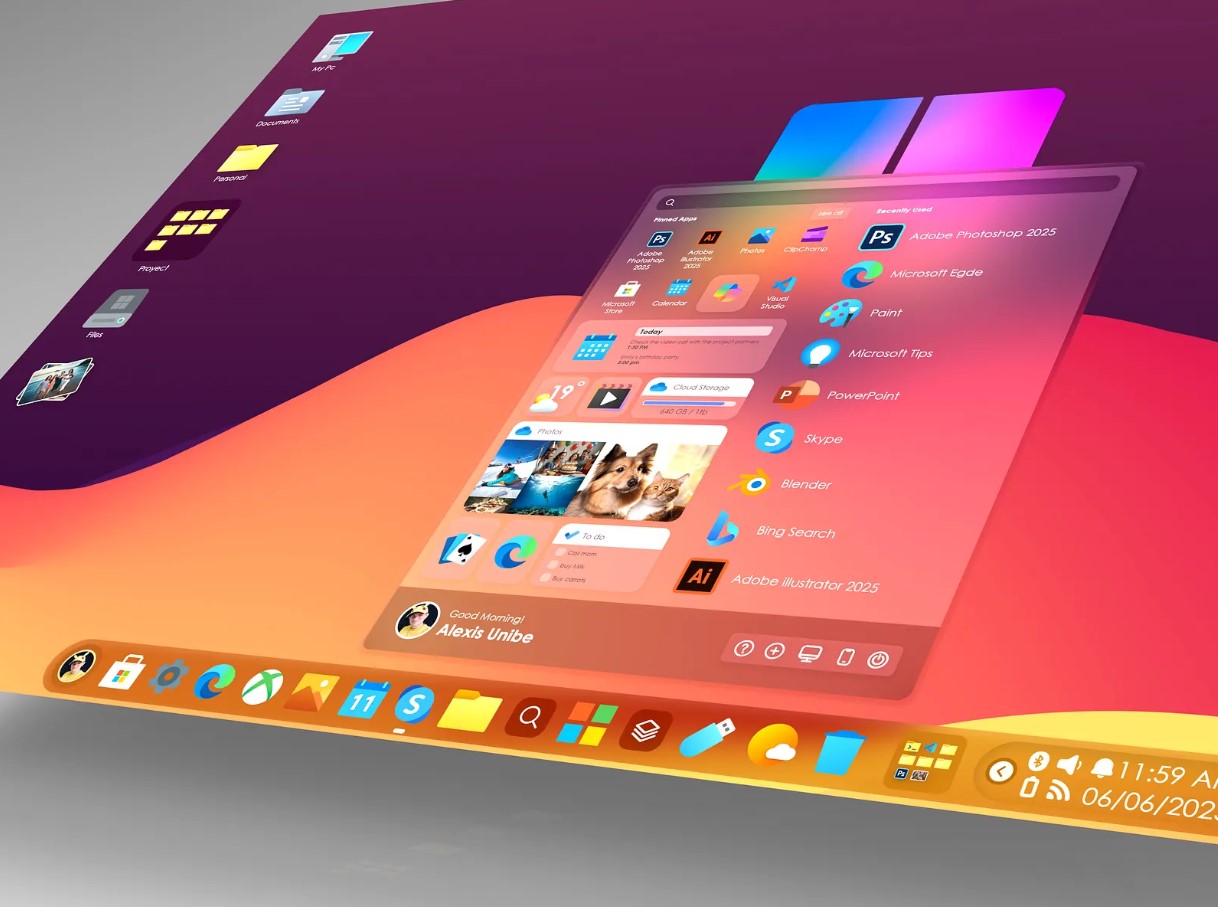
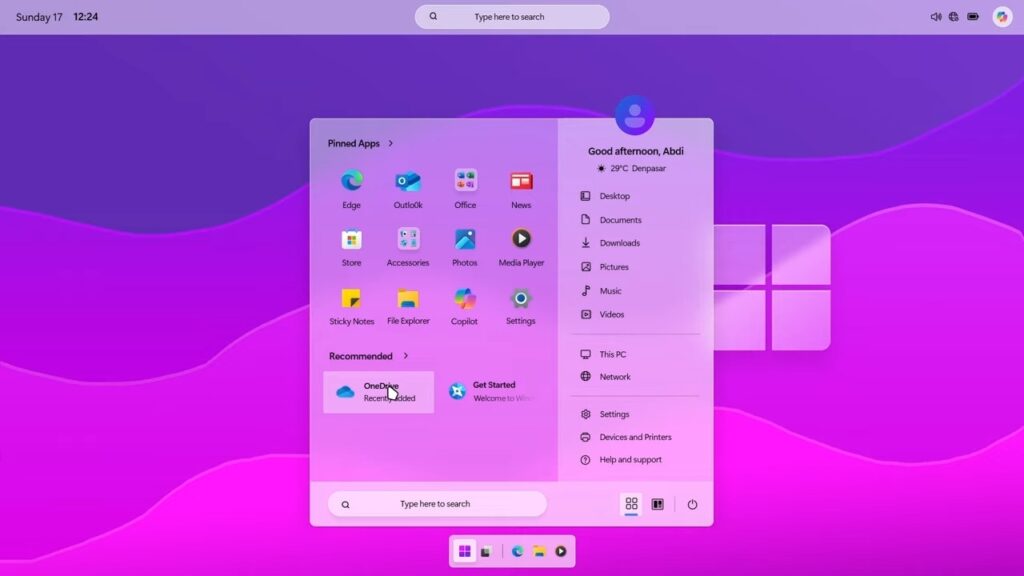
Design concepts created by the community also continue to explore potential directions for the next Windows generation. One example is the Windows 12 concept created by designer Abdi (AR 47 89), which blends classic interface elements reminiscent of Windows 7 with modern design and more subtle AI integration.
A “Pro Mode” Could Solve Many Windows Problems
Former Microsoft engineer Dave Plummer, known for the YouTube channel Dave’s Garage, has shared insights into the current challenges facing Windows.
According to Plummer, the core operating system remains solid. The real issue lies in excessive clutter and attempts to serve too many different types of users at once.
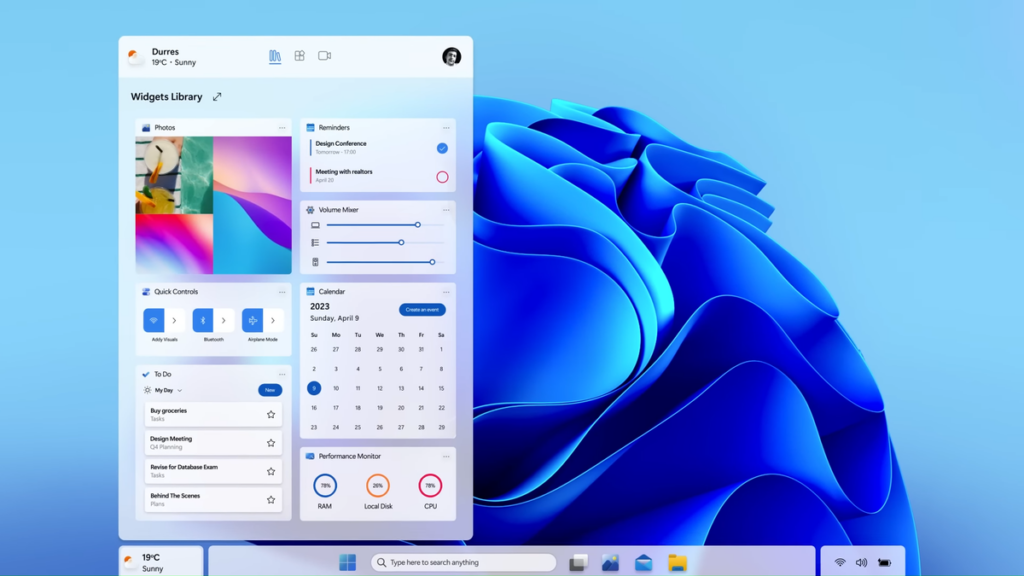
One proposed solution is a dedicated Windows Pro Mode, designed for power users and professionals. This mode would remove advertisements, notifications, and consumer-focused features, creating a streamlined environment focused purely on productivity and performance.
Smarter Updates and Better Transparency
Another improvement suggested by Plummer involves the Windows update system. Instead of frequent disruptive updates, the process could follow a more controlled cadence.
Future updates could also include clear explanations detailing exactly what changes are being made to the operating system. In addition, a simplified rollback system could allow users to revert to a previous update with a single click if problems occur.
Start Menu and Taskbar Still Need Work
The Start menu in Windows 11 has been heavily criticized for performance issues and interface limitations. Some former Microsoft engineers have even described it as poorly optimized, particularly when it comes to responsiveness and keyboard input.
Although Microsoft recently redesigned the Start menu interface, reactions have been mixed. Many users continue to request improvements to performance, layout flexibility, and customization.
One positive development is that Microsoft appears to be reconsidering earlier design decisions. Reports indicate that the ability to move and resize the Windows taskbar — a feature that existed in previous versions — may return in future updates.
Former Microsoft advertising and web services head Mikhail Parakhin previously revealed that internal opposition existed when the feature was removed.
The Next Era of Windows Still Has Huge Potential
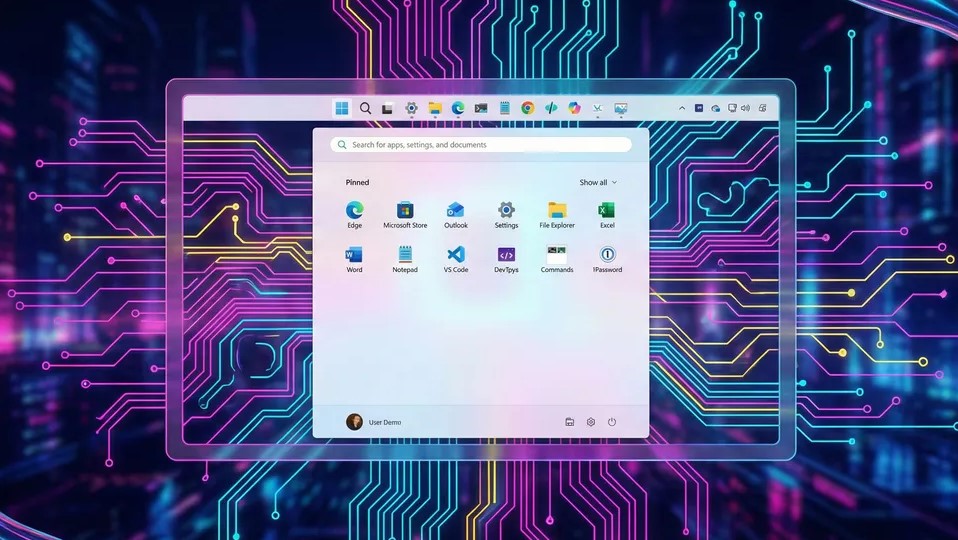
Microsoft’s current roadmap focuses heavily on refining Windows 11 throughout the coming years. However, the long-term future of Windows will likely depend on deeper improvements rather than incremental updates.
A cleaner interface, smarter features, improved customization, and better performance remain among the most requested changes across the Windows community.
Even without an official announcement for Windows 12 in 2026, the expectations for the next generation of Windows are already shaping discussions about what the platform should become in the years ahead.